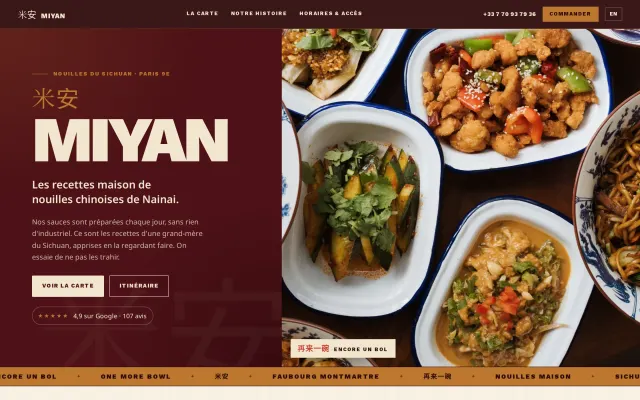
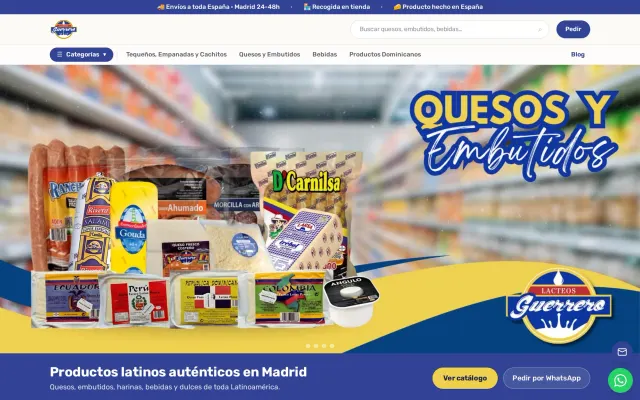
People decide with a phone in their hand and in about two minutes: what you serve, opening hours, photos, and whether they can book or order. Hiding the menu inside a PDF loses you exactly those two minutes.
The occasion matters more than the cuisine: weekday lunch, a birthday, the terrace, gluten free, a family Sunday. Each one is a separate search and deserves its own paragraph on the site.
A menu from two years ago costs more than no menu at all: the prices are wrong, half the dishes are gone and the impression is of a place that has closed. What is on the page has to be what is on the pass tonight.
Allergens and dietary options deserve a page, not a footnote. The person who has to check is usually the one choosing for the whole table, and a clear answer wins the whole group rather than one order.
Publish the menu as real text and keep it current. A price list from two years ago does more damage than no menu at all, and a PDF is neither readable on a phone nor findable by anybody searching for a dish.
Mark allergens and options clearly. It is a legal expectation and a commercial advantage, and the person with the restriction is usually the one choosing the venue for everybody.
Explain the booking position honestly. Whether walk-ins are welcome, how far ahead Saturdays go and whether a deposit applies to larger tables is what somebody wants before deciding.
Treat lunch and dinner as different businesses. A set lunch for people with an hour and a long evening meal are different offers with different prices, and one page for both sells neither.
The menu has to be text on a page, not an image or a document to download. It is the most-visited page on any restaurant site, and a scanned file is unreadable on a phone and invisible to a search engine.
Say whether booking is necessary. Somebody deciding between two places wants to know if they can simply walk in on a Tuesday, and that single sentence prevents an empty table and a disappointed couple.
Everything hangs off the page everybody opens: the menu, as text, current, with allergens marked. The booking position stated plainly, and lunch separated from dinner.
The most damaging thing on a restaurant site is easy to fix: a menu that is a photograph of a menu.
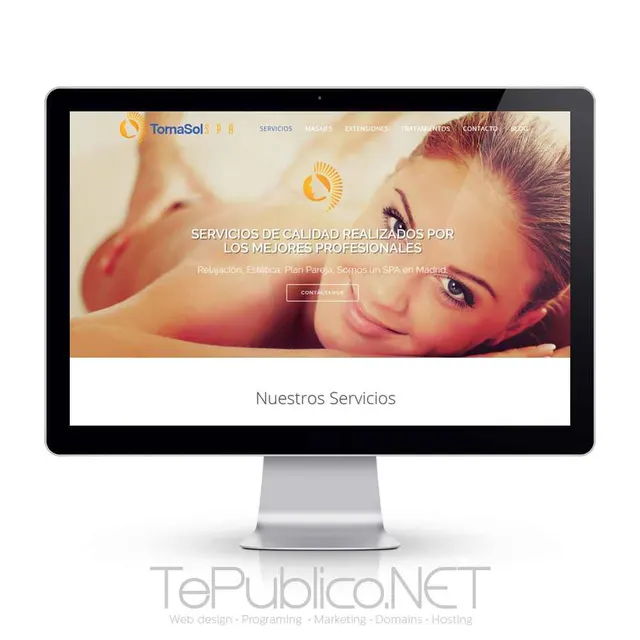
A website that loads in a blink, looks perfect on mobile and conveys the professionalism of your restaurant at first glance. Custom design, clean code and a simple panel so you stay in control.
We optimise your website so your restaurant appears on Google and Google Maps when customers search nearby. Local SEO is what converts most in your sector: whoever searches wants to book now. And if you want customers from day one, we add Google Ads.