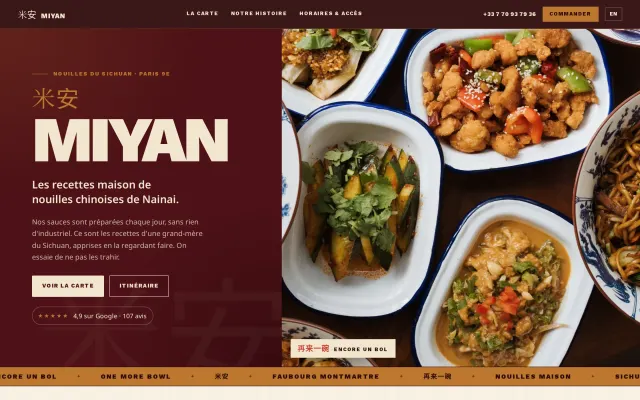
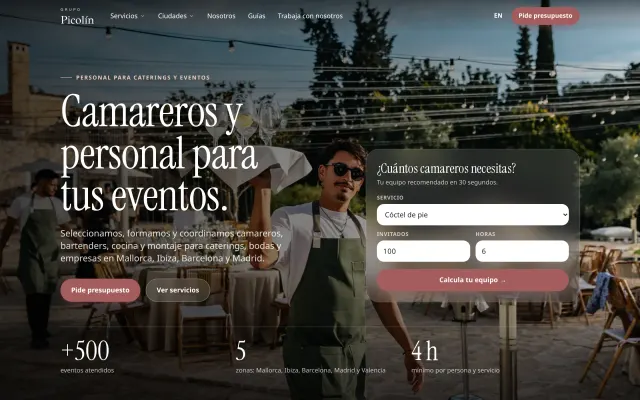
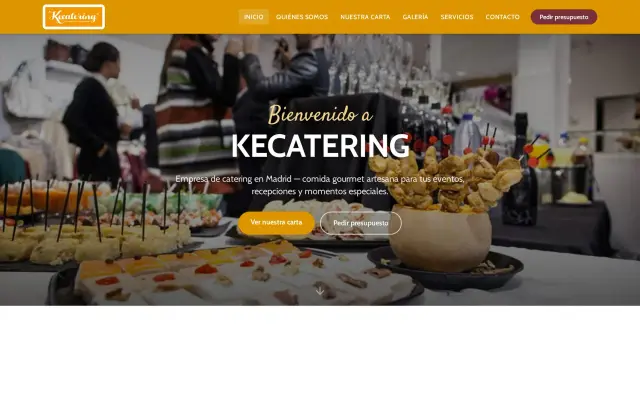
People decide with a phone in their hand and in about two minutes: what you serve, opening hours, photos, and whether they can book or order. Hiding the menu inside a PDF loses you exactly those two minutes.
The occasion matters more than the cuisine: weekday lunch, a birthday, the terrace, gluten free, a family Sunday. Each one is a separate search and deserves its own paragraph on the site.
A menu from two years ago costs more than no menu at all: the prices are wrong, half the dishes are gone and the impression is of a place that has closed. What is on the page has to be what is on the pass tonight.
Allergens and dietary options deserve a page, not a footnote. The person who has to check is usually the one choosing for the whole table, and a clear answer wins the whole group rather than one order.
Put the calendar where it cannot be missed. This week's pitches, with times and enough address detail to actually find the vehicle, is the page people return to rather than the one they read once.
Give private hire its own route. Headcount, minimum spend, how long service takes and what the site needs in terms of power and access is what somebody planning a wedding has to know before they enquire.
Be specific about the food. One thing done properly is the whole appeal of the format, and naming it — the cuisine, the dish, the thing worth queueing for — is what gets shared.
Say what the vehicle needs. Level ground, a certain amount of space and access at a particular time are practical constraints that ruin a booking when they surface on the day.
The question every visitor has is where you are today. A food truck's site is a location and a calendar first, and the menu comes second, which is the reverse of every restaurant.
There are two businesses in one vehicle: selling lunch to whoever walks past, and being hired for a wedding or a company party. They need separate pages because one is a postcode and the other is a quotation.
Built around the two businesses: this week's pitches with times and addresses, and a separate route for private hire with headcount, minimum spend and site requirements.
The page that earns the return visit is not the menu — it is where the truck is parked on Thursday.
A website that loads in a blink, looks perfect on mobile and conveys the professionalism of your food truck at first glance. Custom design, clean code and a simple panel so you stay in control.
Your website will appear on Google when people search for a food truck in your area, because we design it optimised for local rankings from the ground up. A website that gets found and converts: that's the plan.