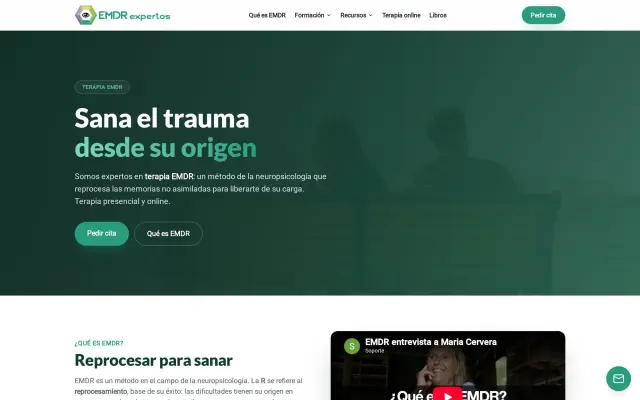
Web design · Professional services

Web design for call centres

The client is buying the removal of a problem, and they measure it in numbers: how fast calls are answered, how many are abandoned and what happens at eight in the morning when everybody rings at once. Publish those or expect to be compared on price alone.

People looking for a firm rarely compare prices: they are looking for someone to hand a problem to. The site has less selling to do than reassuring — clear areas of practice, real cases, and a first appointment that takes two clicks, not a phone call at ten in the morning.

Fees are the question nobody asks out loud. Explaining how you bill and what a first consultation costs loses the enquiries that were never going to convert, and wins the ones that arrive already prepared.

Most first contact arrives in writing and is judged on how fast the reply comes: a same-day answer beats a better CV. Saying who reads the message and how long you take converts more than another page of qualifications.

The first meeting is the step people hesitate over: whether it costs anything, how long it lasts, what to bring and whether it commits them to anything. Answered on the page, it turns a browse into a booked appointment.

Lead with service levels. Answer time, abandonment rate and how peaks are covered are what a buyer is actually comparing, and a page without numbers invites a conversation about price instead.

State the location and the languages plainly. Where the team is based decides some purchases entirely, and being direct about it filters the enquiries down to the ones that can convert.

Offer a small first step. Overflow, evenings and weekends or a single campaign lets a client test the service without moving their whole operation, and it is the easiest first yes to win.

Explain how the team learns the client's business. Scripts, escalation rules and how quickly an agent can answer an unusual question is the difference between a service that helps and one that annoys customers.

Explain how the pricing works. Per minute, per call, per seat or a monthly minimum, and what happens in a month with twice the volume, is what a buyer cannot find anywhere and what forces them into a sales conversation they resent.

List the systems you plug into. Which CRMs and telephony platforms, whether a client keeps their own number, how call recordings are accessed and what the reporting looks like decides whether this is a fortnight of integration or an afternoon.

Address the data question head on. Where recordings and customer records are held, how long they are kept, who inside your organisation can hear them and what applies when agents take card details is a requirement, not a reassurance.

Say where the agents sit and in which languages they work. It is the first thing a prospect wants to know, it is often the reason they are looking, and evading it wastes everybody's time.

Overflow and out-of-hours are the easiest way in. A company that will not outsource its whole line will happily hand over the evenings, and that trial is how most long contracts begin.

The site is written for a buyer with a spreadsheet: service levels, location, languages and how peaks are covered. A small entry service offered, and onboarding explained rather than promised.

The page that opens the door asks for very little: let us take the evenings first.

Your website will load fast, look flawless on any phone and be easy to edit. We take care of the design, photos and copy so your call centre projects the professional image it deserves.

We optimise your website so your call centre appears on Google and Google Maps when customers search nearby. Local SEO is what converts most in your sector: whoever searches wants to book now. And if you want customers from day one, we add Google Ads.
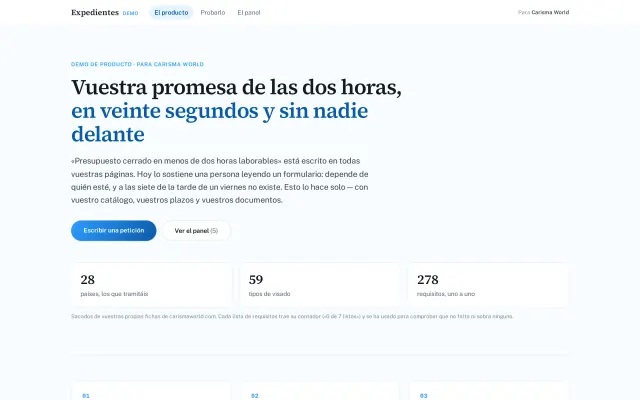
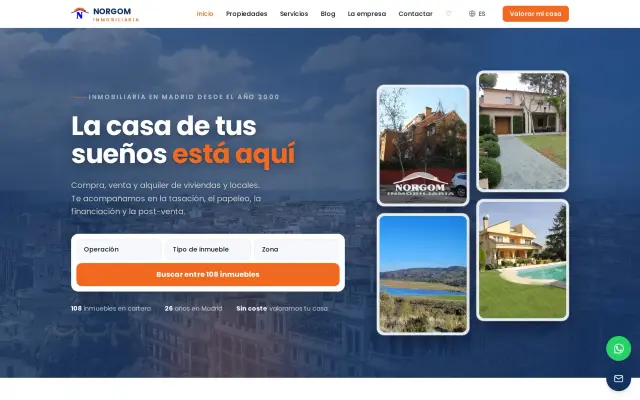
In brief: web design for call centres

  • Perfect on a phone: that is where call centres get found, and where the decision is made.
  • Domain, content and logins stay in your name: you ask nobody's permission the day you want to change something.
  • Domain and hosting are stated upfront; everything else is optional and you decide who handles it.
  • Not a brochure but a tool: it takes enquiries while you are working.

⚙️ Not just a website, a tool

A website for a call centre is not a brochure: it is where somebody decides whether to call you. Everything on it should serve that one decision.

What your website includes

Answered in twenty seconds, or not

The service level, published, and what happens when it slips.

Overflow, out of hours, or everything

Three ways to start, and which one proves the case.

Scripts, and when to leave them

How much latitude an agent has, and who decides.

Recording, consent and where it sits

What is kept, for how long, and who can listen.

Eight o'clock on a Monday

The spike everybody has, and how it is staffed.

Your systems, or ours

What has to be integrated before anybody takes a call.

How we work with call centres, step by step

  1. 1

    We look at your business

    We look at what customers keep asking on the phone — that belongs on the first screen.

  2. 2

    Structure and content

    We decide the pages, the wording and what has to be visible first for someone to get in touch.

  3. 3

    Design and build

    We watch the loading time: real photographs, properly compressed, no scripts you do not need.

  4. 4

    Launch and Google

    We test every form from the outside before launch — an enquiry must never fall into a void.

  5. 5

    Handed over working

    We stay reachable by the same channel your customers use, so a fix takes minutes and not a ticket.

Frequently asked questions about web design for call centres

Why publish service levels? +

Because that is what is being compared. Answer times, abandonment rates and peak cover are the numbers a buyer puts in a spreadsheet, and without them the only remaining comparison is price.

Should the location be stated? +

Directly. Where the team sits decides some contracts entirely, and avoiding the question simply means a longer conversation that ends the same way.

Why offer overflow first? +

It is the easiest thing to say yes to. A company that will not hand over its main line will trial the evenings, and that arrangement is how most substantial contracts actually start.

How much detail about onboarding? +

As much as possible. How agents learn the client's business, what the escalation rules are and how an unusual question gets answered is what separates a helpful service from one that irritates the client's own customers.

How long does a site like ours take? +

Four to six weeks in practice, and the slow part is never the build — it is getting the case descriptions and the team photographs out of the office.

Can we keep our current domain and email? +

Yes, and they stay in your name. Email is moved first and checked, then the site is switched over, so nothing goes dark in between.

Do we have to show our regulator and insurance? +

Registration number, professional indemnity and the complaints route are required — and they happen to reassure.

Does the site need a cookie banner? +

Only if it loads more than it needs to. We build without trackers and without fonts pulled from someone else's server, which removes the banner — and nobody has to dismiss a box before reading what you charge.

Can I manage the website myself, or do you handle it? +

Whichever you prefer. We hand over the website ready and, if you want, train you to edit it yourself. And if you'd rather delegate, we take care of maintenance and keeping it up to date for you.

How long does it take? +

A website for your call centre is usually ready in 1 to 3 weeks once we have the content. We give you a fixed timeline up front.

Will it appear on Google? +

Yes. We design every website optimised for local SEO from the ground up, so your call centre appears when people search for you in your city. We can also run an ongoing rankings plan.

Do you work with customers abroad? +

Yes. We handle the whole project remotely, fast and conveniently, with call centres across the English-speaking world.

Much more than a website

Not just your website. Your CRM so no enquiry slips away.

Every enquiry that comes through the website lands in your panel with follow-up, and you turn it into a client.

Customer CRM

Every contact that comes through your website lands in your panel, with follow-up and notes. Nothing gets lost.

Bookings & appointments

Online diary with automatic reminders. Your customers book themselves, you see your calendar fill up.

Email marketing

Your own campaigns and lists to build loyalty and sell again, with no paid external tools.

AI assistant

A smart chat serves and captures customers on your website 24/7, and passes the interested ones to your CRM.

Clear analytics

How many visit you and where they come from, with no jargon or annoying cookies. Decisions backed by data.

All under your brand, in one place.

I want my panel
Real projects

Sites of ours that are already up and running

Out of respect for our clients we show each project by its sector and city, with no names.

See the full portfolio →

Ready for a website that works?

Tell us about your call centre and we'll prepare a no-obligation quote.

We reply within 24 hours · No obligation

WhatsApp ·