Professional services · TePublico.NET

Web design for technical translation agencies

Who translates decides everything. An engineer who translates and a linguist who has read about engineering produce different documents, and clients deserve to know which they are getting.

People looking for a firm rarely compare prices: they are looking for someone to hand a problem to. The site has less selling to do than reassuring — clear areas of practice, real cases, and a first appointment that takes two clicks, not a phone call at ten in the morning.

Fees are the question nobody asks out loud. Explaining how you bill and what a first consultation costs loses the enquiries that were never going to convert, and wins the ones that arrive already prepared.

Most first contact arrives in writing and is judged on how fast the reply comes: a same-day answer beats a better CV. Saying who reads the message and how long you take converts more than another page of qualifications.

The first meeting is the step people hesitate over: whether it costs anything, how long it lasts, what to bring and whether it commits them to anything. Answered on the page, it turns a browse into a booked appointment.

Name the specialisms. Machinery, pharmaceutical, legal and software documentation each require different expertise and different regulatory awareness, and a general claim of technical translation persuades nobody who has been burned.

Explain the terminology work. How a glossary is built, who approves it and how it is reused across future projects is the difference between a supplier and a long-term partner.

Separate certified translations. Documents for official use follow a fixed procedure with signatures, stamps and sometimes a sworn translator, and mixing that into general services confuses an anxious individual buyer.

Describe the review step honestly. Whether a second qualified linguist checks the work, and whether the client's own expert is involved, is the quality question that actually matters.

Say where the files live. An unsigned contract, a patent application and test reports are confidential documents, so who can open them, whether non-disclosure agreements are signed and whether machine translation touches them first is what a legal department is really deciding on.

Name the formats you handle. InDesign layouts, CAD drawings with text inside the artwork, XML from a content system and interface strings all cost different amounts of work, and saying who rebuilds the layout afterwards separates you from anybody accepting Word only.

Be concrete about capacity and deadlines. How many words a day, whether a three-hundred-page manual can be split between translators without losing consistency, and what an urgent job adds to the price tells an exporter with a launch date whether to keep reading.

A mistranslated instruction can injure somebody or invalidate a certification. What is being bought here is liability protection, and fluency is merely the minimum requirement.

Consistency across years matters more than elegance. The same component has to be called the same thing in the manual, the interface and the safety notice, which makes a maintained glossary the real deliverable.

Written for a buyer carrying risk: specialisms named, terminology work explained, certified documents separated and the review step described plainly.

The claim worth making is about consequence, not language: a wrong word here is a safety incident, not a typo.

We design your website to measure — no empty templates — responsive (perfect on mobile, where nearly all your visits are), fast and easy to update yourself. You choose whether you manage it or we handle maintenance.

Reviews and your Google profile decide many visits to a technical translation agency. We work your Google Business Profile, reviews and website SEO together, so when people search for you in your city, you appear — first and well rated.
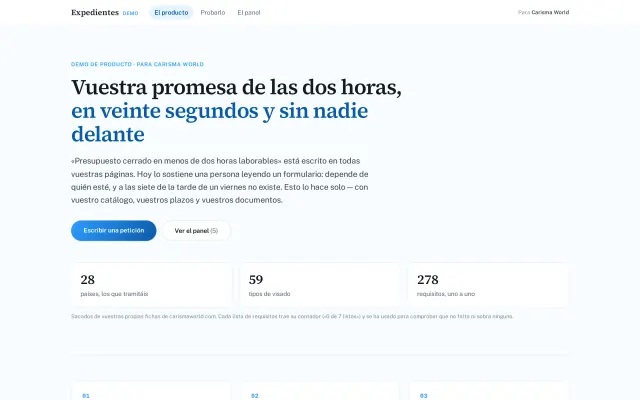
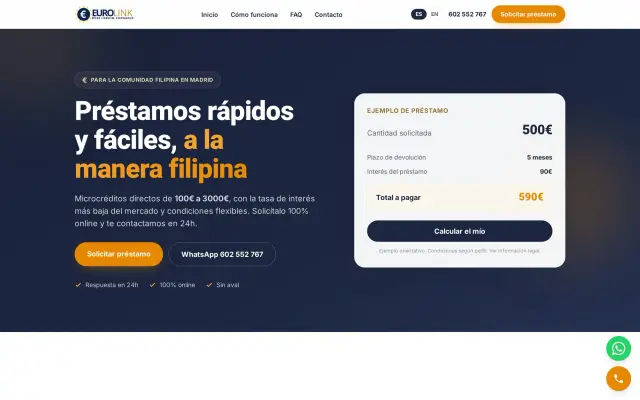
In brief: web design for technical translation agencies

  • Domain, content and logins stay in your name: you ask nobody's permission the day you want to change something.
  • Your own photographs beat any stock library; where they are missing we say so rather than paper over it.
  • A clear way to get in touch — WhatsApp, phone and form — so no enquiry is lost.
  • If something goes down, yesterday's backup takes over: phone number and address are reachable again in minutes.

⚙️ Not just a website, a tool

You own it and you run it. Texts, prices and photos change from a panel, without depending on anyone and without waiting.

What your website includes

Translation memory, and version two

What the second manual costs once the first exists.

Who reviews it, and what they trained in

An engineer reading the output, not only a linguist.

Units, figures and the ones that change

Where a decimal point becomes a safety problem.

Screen text, and the character limit

Interfaces where the translation has to fit the button.

The languages a market legally requires

Where selling means translating, whether you want to or not.

Updating a manual, not retranslating it

Changing eleven paragraphs without paying for four hundred.

How we work with technical translation agencies, step by step

  1. 1

    We look at your business

    We go over how technical translation agencies actually work, what you sell and who you compete with locally.

  2. 2

    Structure and content

    We decide the pages, the wording and what has to be visible first for someone to get in touch.

  3. 3

    Design and build

    We build for the phone first, because that is where most of your visitors decide.

  4. 4

    Launch and Google

    We redirect the old addresses properly, so nothing that already ranks is thrown away.

  5. 5

    Handed over working

    We hand over the access to your Google profile and the analytics, not just the website.

Frequently asked questions about web design for technical translation agencies

Why frame this as risk? +

Because the consequences are physical or legal. An instruction translated badly can hurt an operator or invalidate a certification, and a buyer who understands that stops shopping on price per word.

Is terminology really the deliverable? +

Over time it becomes the most valuable part. A component must carry the same name in the manual, the interface and the safety label, and a maintained glossary is what makes that possible across years and translators.

Should certified work be separate? +

It follows a different procedure entirely. Stamps, signatures and sworn translators apply to official documents, and an individual needing one is not the same buyer as a manufacturer with a manual.

Does the review step matter? +

It is the whole quality claim. Whether a second qualified linguist checks the text, and whether the client's own engineer reviews terminology, tells a buyer more than any certification logo.

How long does a site like ours take? +

Four to six weeks in practice, and the slow part is never the build — it is getting the case descriptions and the team photographs out of the office.

Can we keep our current domain and email? +

Yes, and they stay in your name. Email is moved first and checked, then the site is switched over, so nothing goes dark in between.

Do we have to show our regulator and insurance? +

Registration number, professional indemnity and the complaints route are required — and they happen to reassure.

Does the site need a cookie banner? +

Only if it loads more than it needs to. We build without trackers and without fonts pulled from someone else's server, which removes the banner — and nobody has to dismiss a box before reading what you charge.

What are the running costs each year? +

Domain and hosting stay modest and we state them upfront. Everything else is optional: you decide whether to make changes yourself or hand them to us.

And the privacy policy? +

It is part of the job, along with a cookie notice that loads only what is needed. We set both up rather than leaving them on your desk.

Who writes the texts if my English is not perfect? +

We do, and then you read them aloud. If a sentence does not sound like you, it does not stay — the site has to survive a customer quoting it back.

Much more than a website

Not just your website. Your CRM so no enquiry slips away.

Every enquiry that comes through the website lands in your panel with follow-up, and you turn it into a client.

Customer CRM

Every contact that comes through your website lands in your panel, with follow-up and notes. Nothing gets lost.

Bookings & appointments

Online diary with automatic reminders. Your customers book themselves, you see your calendar fill up.

Email marketing

Your own campaigns and lists to build loyalty and sell again, with no paid external tools.

AI assistant

A smart chat serves and captures customers on your website 24/7, and passes the interested ones to your CRM.

Clear analytics

How many visit you and where they come from, with no jargon or annoying cookies. Decisions backed by data.

All under your brand, in one place.

I want my panel
Real projects

Sites of ours that are already up and running

Out of respect for our clients we show each project by its sector and city, with no names.

See the full portfolio →

Ready for a website that works?

Tell us about your technical translation agency and we'll prepare a no-obligation quote.

We reply within 24 hours · No obligation

WhatsApp ·