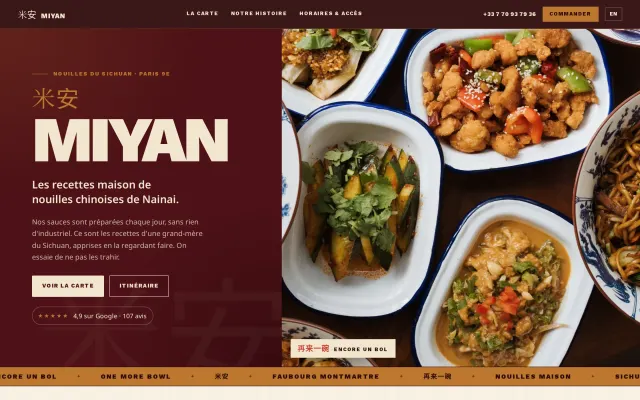
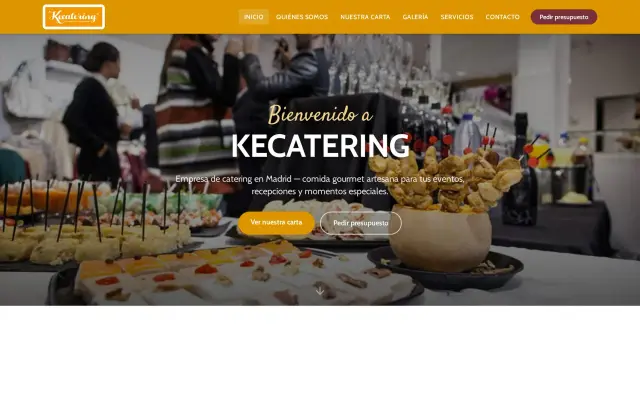
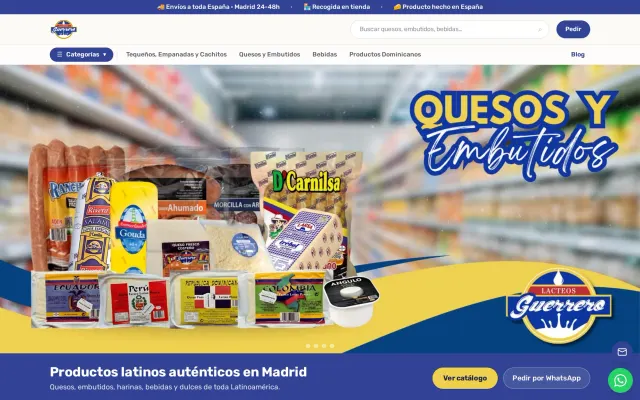
People decide with a phone in their hand and in about two minutes: what you serve, opening hours, photos, and whether they can book or order. Hiding the menu inside a PDF loses you exactly those two minutes.
The occasion matters more than the cuisine: weekday lunch, a birthday, the terrace, gluten free, a family Sunday. Each one is a separate search and deserves its own paragraph on the site.
A menu from two years ago costs more than no menu at all: the prices are wrong, half the dishes are gone and the impression is of a place that has closed. What is on the page has to be what is on the pass tonight.
Allergens and dietary options deserve a page, not a footnote. The person who has to check is usually the one choosing for the whole table, and a clear answer wins the whole group rather than one order.
Explain the process without hype. What cold pressing preserves, why heat is avoided and what pressure processing does to shelf life is genuinely interesting and it justifies the price.
Be honest about the claims. Say what a juice is — fruit and vegetables without the fibre — and avoid the medical language this category has learned to borrow, because a sceptical reader is testing for exactly that.
Describe delivery and storage. Days from pressing, how it arrives, what temperature it needs and how long it lasts once opened is the practical information a first order depends on.
Separate the subscription. A weekly delivery is a different commitment from a one-off box, and the terms, the pausing and the changing belong on their own page.
Say where the fruit comes from. Local suppliers, what actually ripens in winter and why a February menu differs from a June one turns seasonality into a selling point, and what becomes of the pulp afterwards belongs in the same story.
Put a figure on the packaging. Glass or plastic, a deposit, collection on the next delivery and where the caps end up: a business that takes its bottles back should quantify it rather than assert it, because here a number persuades and a green logo does not.
Open a wholesale page. Hotels, gyms, offices and cafés order weekly and predictably, so tiered pricing, a delivery rhythm and the question of who supplies the fridge attract accounts worth ten domestic customers.
People suspect they are buying expensive juice. Explaining what cold pressing actually does, and being honest about what it does not do, is what convinces a sceptic who has heard every word borrowed from wellness.
The cold chain is the product. If it warms up in a van it is no longer what was sold, so how it is delivered and how quickly is worth describing in detail.
Written for a sceptic with a cold chain: the process explained without hype, the claims kept honest, delivery and storage detailed and the subscription separated.
The honesty that wins this category: it is fruit and vegetables, pressed cold, and nothing more than that.
No recycled templates: we start from your brand, your colours and your photos to create a unique website for your cold-pressed juice company, responsive and lightning-fast. And we leave it ready for you to edit without any technical know-how.
Reviews and your Google profile decide many visits to a cold-pressed juice company. We work your Google Business Profile, reviews and website SEO together, so when people search for you in your city, you appear — first and well rated.