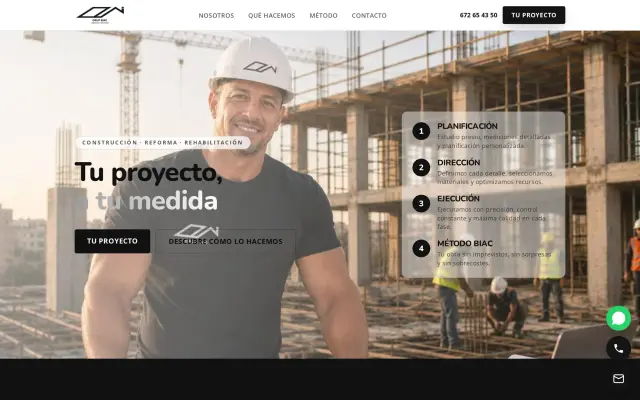
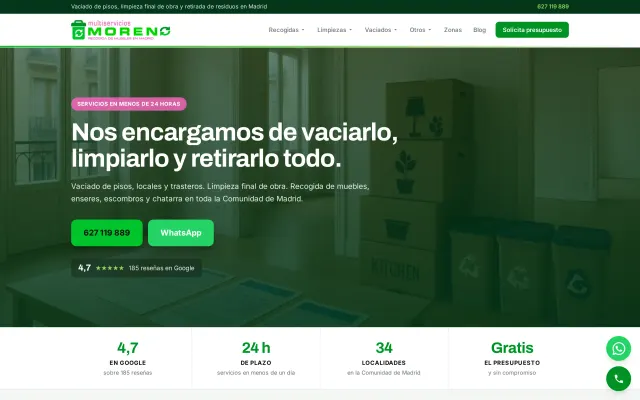
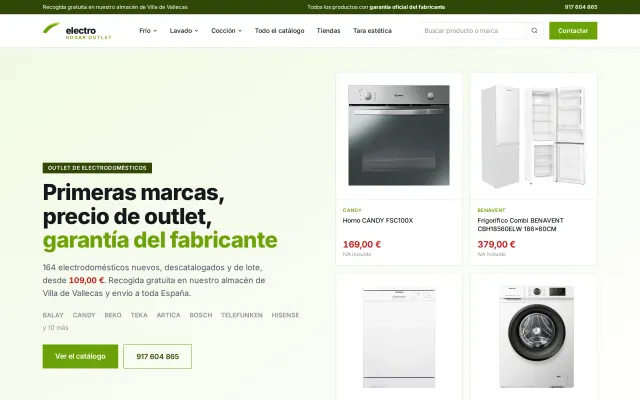
Two very different customers land on the same page: the one with a leak this morning and the one planning a bathroom for the spring. The first wants a phone number, the second wants photos and a price range.
References are the strongest currency here: before and after, with the town, the time it took and roughly what it cost. That convinces faster than any about-us page, and it filters enquiries down to the work you actually want.
Half the enquiries die on geography: people want to know whether you come out to their town at all. A plain list of the areas you cover, and the name of whoever turns up, filters out the trips you were never going to make.
How long it takes and how much mess it makes are the questions behind every enquiry. A realistic timeline, and what happens to the kitchen or the bathroom while the work runs, closes the jobs that a price alone leaves hanging.
Explain what it goes over. Existing tiles, a sound screed or concrete can usually be covered, which is the practical advantage — no demolition, no waste and far less disruption than lifting a floor.
Address movement and cracking directly. A substrate that moves will telegraph through a few millimetres of finish, and saying which floors need work first is what separates a specialist from somebody selling a product.
Show real installations rather than showroom images. This finish varies with the hand that applies it, so photographs of actual jobs, including large areas and joins, are the only meaningful evidence.
Be clear about sealing and maintenance. What sealer is used, how it behaves in a shower and what a customer has to do annually is the difference between a floor that looks right in five years and a complaint.
Be honest about cracking. It is applied in millimetres over whatever is underneath, so movement below shows through, and a company that explains where it works and where it does not is the one worth trusting with a floor.
This is a finish applied by hand, so the applicator matters more than the product. Naming who does the work, how many years they have been doing it and showing real floors rather than renders is the whole argument.
The site sells the substrate and the hand, not the material: what it can be applied over, where movement is a problem and who actually applies it. Real jobs shown, sealing and maintenance explained.
The honesty that wins the job costs a sale: this floor needs fixing before anything goes over it.
A website that loads in a blink, looks perfect on mobile and conveys the professionalism of your microcement flooring company at first glance. Custom design, clean code and a simple panel so you stay in control.
An invisible website is useless. We work the local SEO of your microcement flooring company — copy, speed, Google Business Profile and reviews — so you appear right when a customer in your city needs you. And with Google Ads, from day one too.